Delivering More Than Letters: How Route Optimization Becomes the Hidden Strategic Core of Cat Mail Co
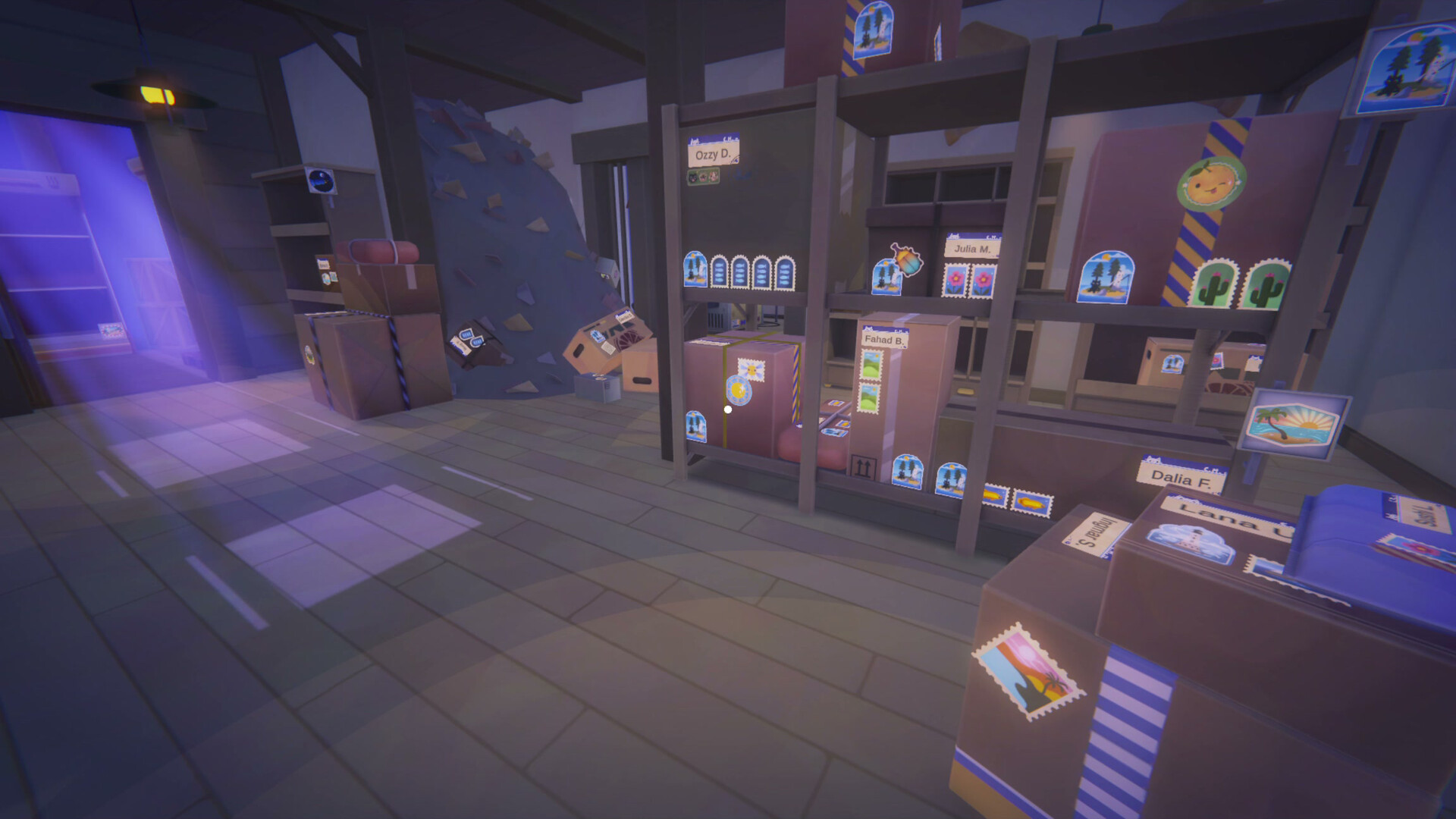
Cat Mail Co. presents a charming world where players manage an ever-growing postal service operated entirely by cats. Cute visuals, relaxing music, whimsical towns, and colorful characters initially suggest a cozy management experience focused on exploration and friendly interactions. Players gradually unlock new neighborhoods, accept delivery contracts, upgrade facilities, and expand their mail network across increasingly complex regions.
However, beneath its relaxing presentation lies an unexpectedly intricate management challenge. Every delivery consumes time, every courier has limitations, and every new district introduces additional logistical complexity. As the company grows, players discover that success depends less on accepting more jobs and more on organizing an efficient delivery network.
This creates one of the game's most interesting design issues: route optimization gradually becomes the dominant strategic mechanic, quietly overshadowing other systems such as upgrades, expansion, and resource collection. A poorly designed delivery network can cripple an otherwise prosperous company, while an efficient route system allows even modest resources to generate impressive profits.
This article explores how route optimization evolves into the defining strategic challenge in Cat Mail Co., influencing nearly every aspect of progression, from early deliveries to late-game logistics.
1. The Early Game Feels Comfortably Simple
The opening hours introduce players to a manageable postal business.
Only a handful of customers request deliveries, destinations remain close together, and travel distances are short enough that inefficient routing rarely causes noticeable problems.
Small Maps Hide Complexity
Early neighborhoods feature:
- Few intersections
- Short travel paths
- Limited delivery requests
- Minimal courier management
Because of these conditions, players naturally focus on completing tasks rather than planning efficient routes.
Efficiency Appears Optional
During this phase, almost every delivery succeeds regardless of optimization.
The game intentionally creates a relaxing pace, allowing players to learn mechanics without immediate logistical pressure.
2. Expansion Changes Everything
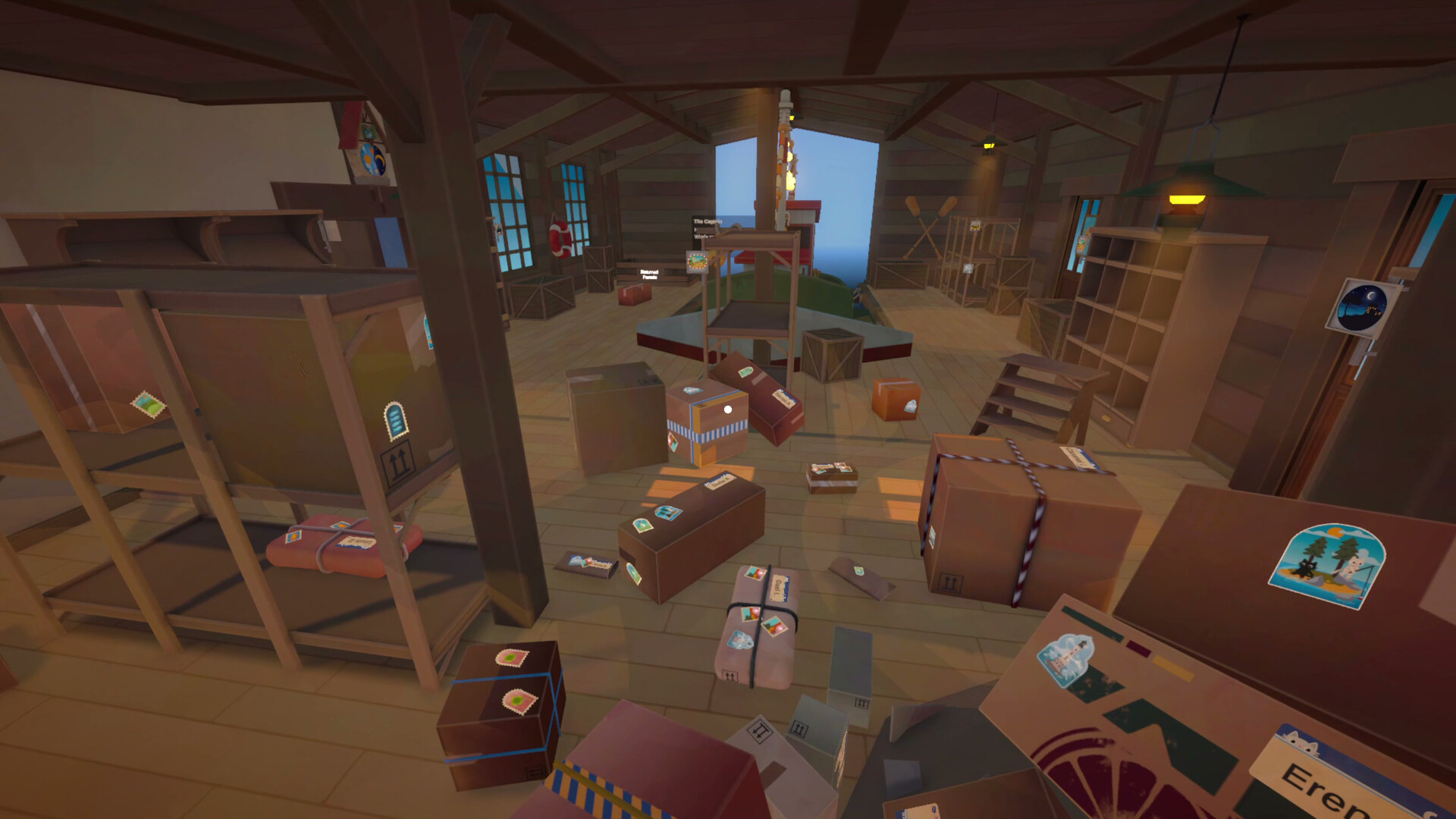
As the company grows, delivery density increases dramatically.
New districts introduce winding streets, isolated homes, commercial centers, and longer travel distances.
H3: More Customers, More Variables
Expansion introduces:
- Larger delivery volumes
- Simultaneous requests
- Multiple courier assignments
- Time-sensitive contracts
Distance Becomes a Cost
Every unnecessary movement now consumes valuable time.
An inefficient courier may spend more time traveling than delivering.
Growth transforms movement into an economic resource.
3. Time Is the Company's Most Valuable Asset
Money can purchase upgrades.
Time cannot.
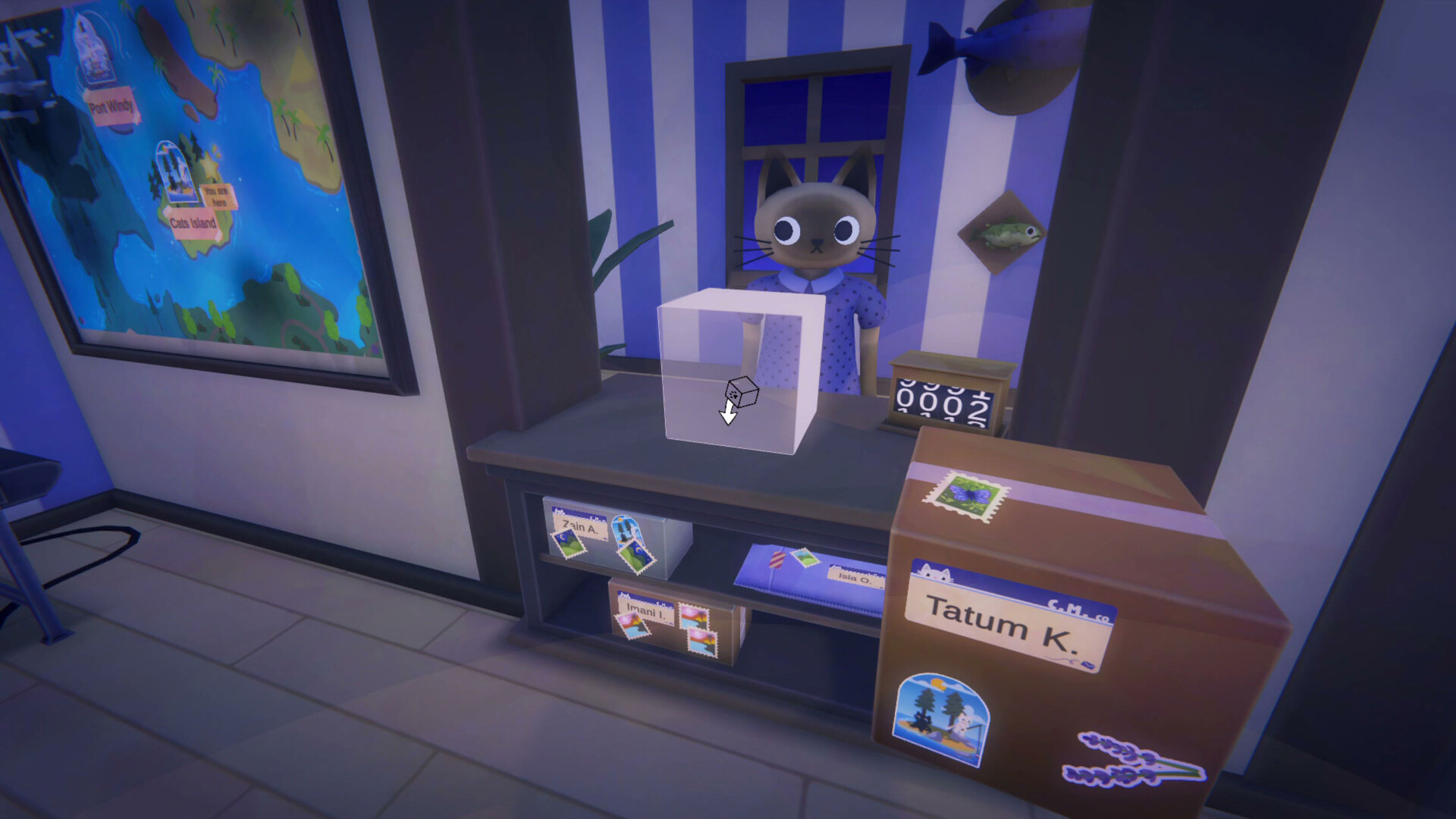
Every delivery represents a trade-off between speed, efficiency, and opportunity cost.
Hidden Economic Pressure
Long routes reduce:
- Daily completed deliveries
- Customer satisfaction
- Upgrade income
- Expansion speed
Small Delays Compound
A thirty-second detour may appear insignificant.
Repeated across dozens of deliveries, those delays accumulate into substantial productivity losses.
The company grows slower despite constant activity.
4. Courier Assignment Becomes a Strategic Puzzle
Managing multiple delivery cats introduces another layer of complexity.
Individual Efficiency
Each courier may differ in:
- Speed
- Carrying capacity
- Special abilities
- Upgrade level
Matching Couriers to Routes
Assigning the wrong courier can reduce overall efficiency.
Examples include:
- Fast couriers wasting time on short routes
- Heavy carriers serving lightweight deliveries
- Skilled workers covering low-priority neighborhoods
Good management requires thoughtful specialization.
5. Delivery Clustering Improves Performance
Experienced players eventually stop viewing deliveries individually.
Instead, they organize groups of deliveries into logical clusters.
Geographic Organization
Efficient clustering involves:
- Neighboring houses
- Shared streets
- Similar delivery deadlines
- Common return paths
Reduced Travel Waste
Grouped deliveries reduce:
- Repeated road usage
- Empty return trips
- Idle courier movement
The postal network becomes significantly more productive.
6. Upgrades Cannot Solve Poor Logistics
Players often expect equipment upgrades to eliminate inefficiency.
Instead, upgrades amplify good planning rather than replacing it.
H3: Better Tools, Same Routes
Improvements may include:
- Faster movement
- Larger mail bags
- Improved stamina
- Increased carrying limits
Structural Problems Remain
Even upgraded couriers lose efficiency if:
- Routes overlap unnecessarily
- District assignments conflict
- Delivery order remains poorly organized
Technology cannot compensate for weak logistics.
7. Customer Satisfaction Depends on Invisible Systems
Customers rarely evaluate only successful deliveries.
They also respond to consistency.
Reliability Matters
Efficient routing improves:
- Delivery punctuality
- Order accuracy
- Repeat business
- Company reputation
Delays Damage Growth
Late deliveries gradually reduce:
- Customer trust
- Available contracts
- Financial rewards
List – Common Causes of Delivery Delays
- Poor courier distribution
- Excessive travel distance
- Overloaded delivery schedules
- Repeated route overlap
Reputation is built on logistical precision.
8. Late-Game Networks Become Surprisingly Complex
As the company expands across multiple districts, routing evolves into network management.
Regional Coordination
Players must balance:
- Local deliveries
- Long-distance transport
- Courier specialization
- Resource distribution
Scaling Challenges
Adding more couriers does not automatically improve efficiency.
Without careful coordination:
- Traffic overlaps increase
- Idle time rises
- Scheduling conflicts appear
Growth increases organizational complexity.
9. The Psychology of Optimization
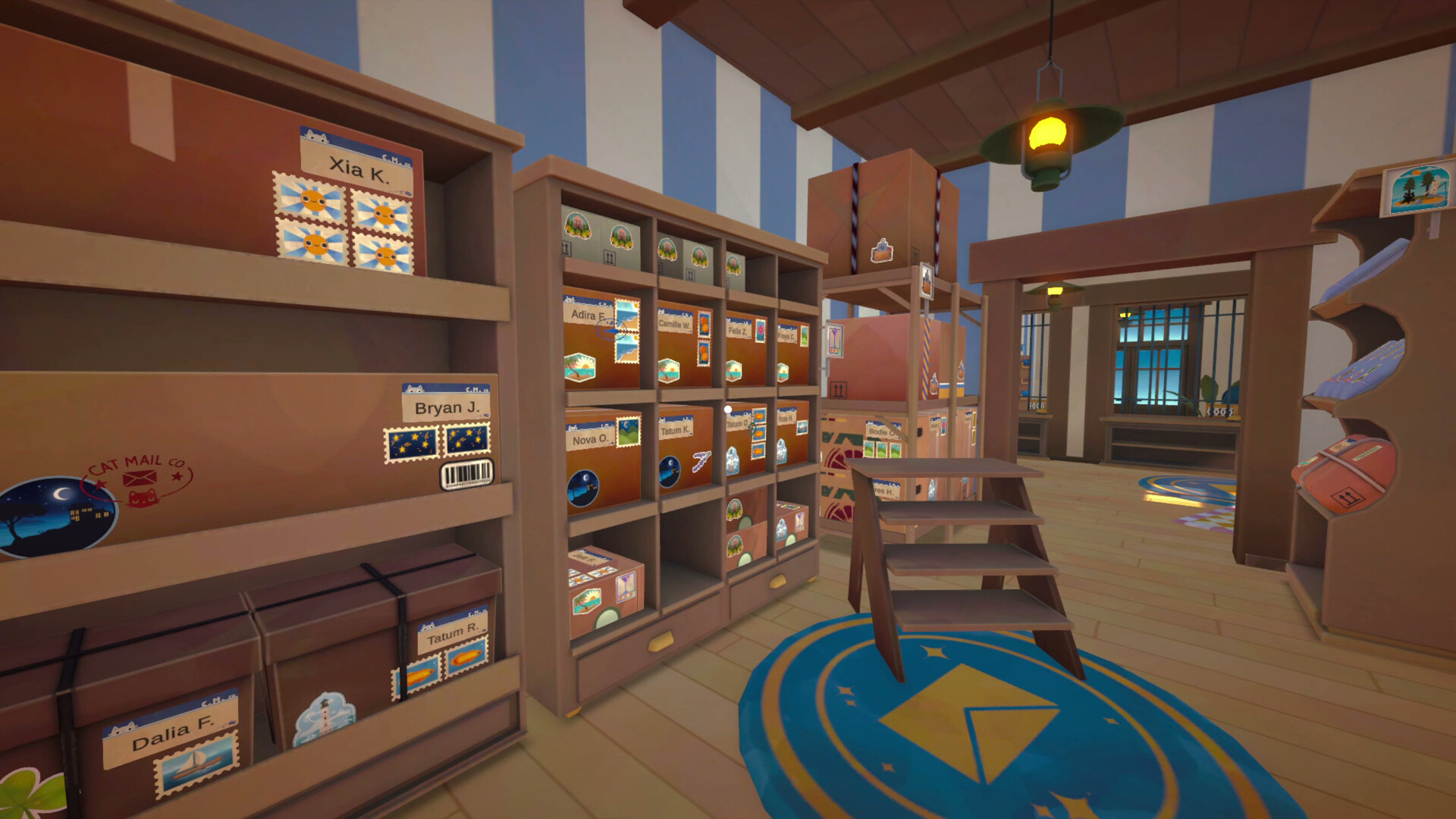
One of Cat Mail Co.'s most interesting achievements is how it changes player behavior.
H3: Thinking Like a Logistics Manager
Players gradually begin asking:
- Which route is shortest?
- Which courier should handle this district?
- Can two deliveries be combined?
H4: Relaxation Meets Strategy
Despite its cozy atmosphere, the game quietly encourages sophisticated planning.
The satisfaction comes not from speed alone but from watching an elegant delivery network operate smoothly.
Optimization becomes rewarding rather than stressful.
10. Balancing Cozy Gameplay with Strategic Depth
Route optimization is both the game's greatest strength and its primary design challenge.
Why It Works
The system:
- Encourages thoughtful planning
- Rewards observation
- Makes expansion meaningful
- Creates satisfying long-term progression
Potential Weaknesses
However, heavy emphasis on logistics can also:
- Increase micromanagement
- Slow casual play
- Overwhelm new players
- Reduce experimentation
List – Possible Future Improvements
Developers could strengthen accessibility through:
- Automatic route suggestions
- Courier scheduling presets
- Delivery priority filters
- Network efficiency statistics
These tools would preserve strategic depth while reducing repetitive management.
Conclusion
Cat Mail Co. succeeds because it hides an impressively sophisticated logistics simulation beneath an inviting, cozy presentation. What begins as a relaxing game about adorable feline couriers gradually evolves into a complex exercise in network optimization, where every route, assignment, and scheduling decision influences long-term success.
Route optimization becomes far more than a convenience. It determines delivery speed, customer satisfaction, company growth, and financial stability. Players who carefully organize their postal network consistently outperform those who simply expand without planning.
This transformation gives Cat Mail Co. remarkable depth. Rather than rewarding endless expansion, it rewards efficiency, thoughtful organization, and continuous refinement of existing systems. Every successful delivery network reflects not only good management but also careful strategic thinking.
Ultimately, the game's greatest lesson is that running a successful postal company is not about delivering more letters—it is about delivering them intelligently. In Cat Mail Co., the shortest route often leads to the greatest success.