




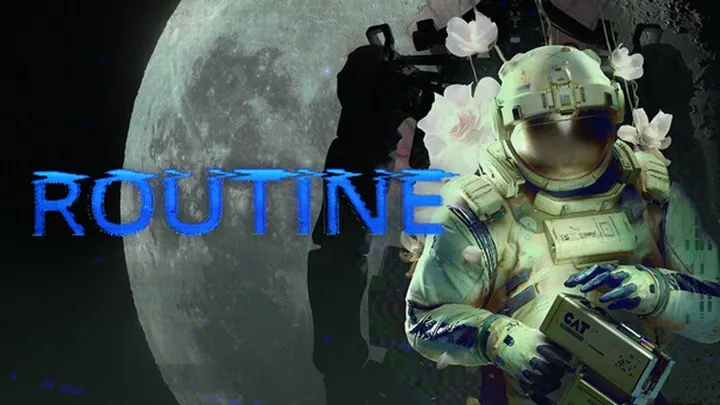
In the world of atmospheric horror, few projects have generated as much curiosity and long-term anticipation as ROUTINE. This hot game blends retro-futuristic science fiction with slow-burn psychological terror, creating an experience that feels unsettling, lonely, and deeply immersive. Rather than relying on constant action, ROUTINE builds fear through silence, environment, and the unknown.
This comprehensive guide explains how to understand, approach, and fully experience ROUTINE. From its origins and design philosophy to gameplay mechanics and emotional impact, this article follows a logical timeline of discovery—just like the game itself—helping players appreciate why ROUTINE stands out as a truly hot game in the horror genre.
1. The Origins and Vision Behind ROUTINE
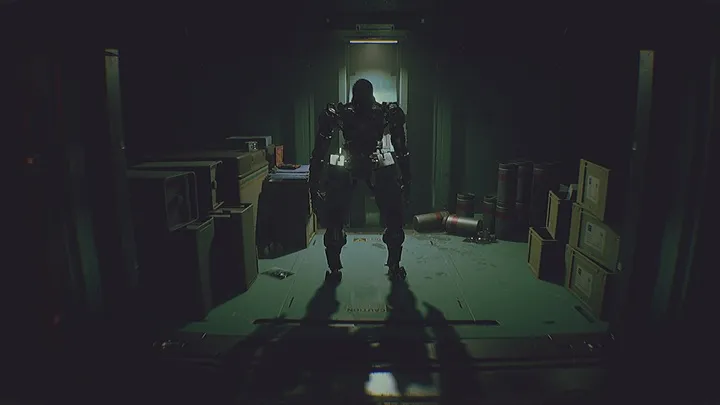
ROUTINE was born from a clear creative vision: to recreate the feeling of classic sci-fi horror films from the late 1970s and 1980s. This hot game draws inspiration from movies that emphasized isolation and atmosphere rather than nonstop action.
Understanding how to appreciate ROUTINE starts with recognizing that it is intentionally slow and methodical. The developers designed the game to make players feel small, vulnerable, and constantly uncertain.
Retro-Futuristic Design Philosophy
The technology feels advanced yet outdated at the same time.
Why This Vision Works
The contrast creates unease, reinforcing why ROUTINE feels so disturbing.
2. Why ROUTINE Is Considered a Hot Game
Despite long development periods, ROUTINE remains a hot game due to its uniqueness and artistic commitment. Horror fans crave originality, and ROUTINE delivers something rare.
Learning how to evaluate modern horror trends explains its popularity.
Demand for Atmospheric Horror
Players want tension, not constant jump scares.
Cult Anticipation
Years of mystery strengthened interest in ROUTINE.
3. How to Start Playing ROUTINE
Beginning ROUTINE is intentionally disorienting. This hot game avoids hand-holding and places players directly into its unsettling world.
Knowing how to mentally prepare is just as important as learning controls.
First-Time Player Tips
- Play with headphones
- Lower brightness slightly
- Avoid rushing
Accepting Vulnerability
Fear is central to ROUTINE’s design.
4. Core Gameplay Mechanics Explained
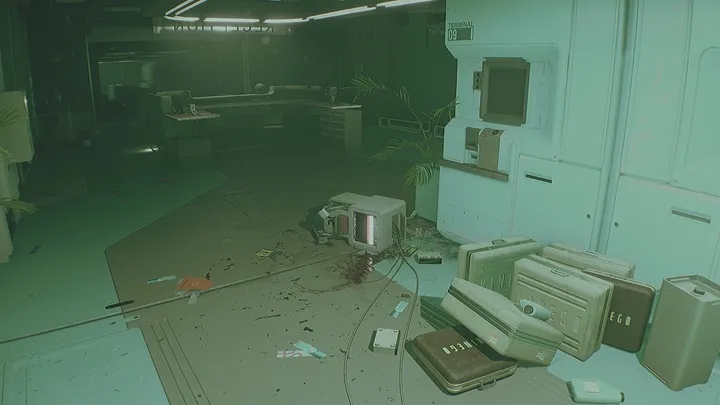
The mechanics in ROUTINE are simple on the surface but deeply psychological. This hot game prioritizes exploration, observation, and survival.
Understanding how to interact with the environment is essential.
Exploration and Interaction
Doors, terminals, and objects feel deliberate.
Limited Combat Options
You are rarely powerful in ROUTINE.
5. Time, Pacing, and Environmental Storytelling
Time in ROUTINE feels stretched and heavy. This pacing is one reason it stands out as a hot game.
Learning how to read environmental clues replaces traditional storytelling.
Slow Progression
Moments of silence build dread.
Story Through Space
The environment tells its own story.
6. Enemies, Threats, and Survival Logic
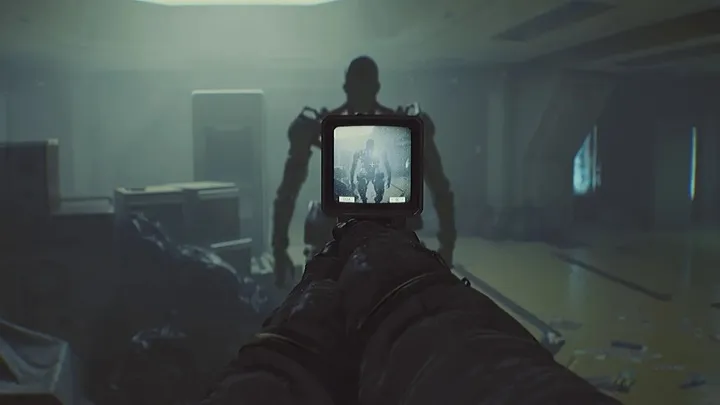
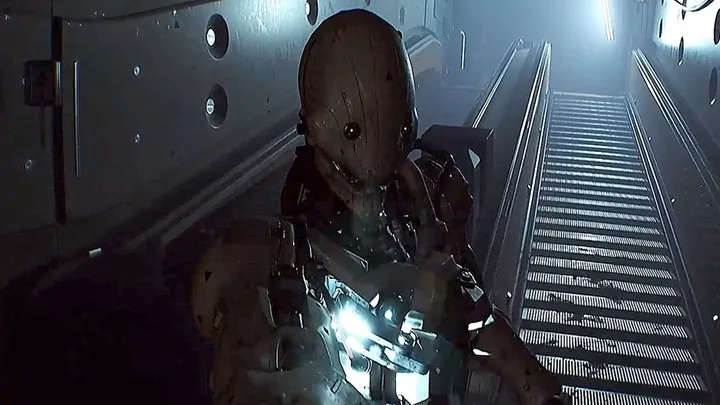
Encounters in ROUTINE are rare but terrifying. This hot game makes every threat meaningful.
Understanding how to survive often means avoiding confrontation.
Types of Threats
- Robotic entities
- Environmental dangers
Fear of the Unknown
Not knowing enemy behavior increases tension.
7. Sound Design and Psychological Impact
Sound is one of ROUTINE’s most powerful tools. This hot game uses audio to manipulate emotion.
Knowing how to listen carefully can save your life.
Audio Cues
Footsteps and machinery signal danger.
Silence as a Weapon
Quiet moments are often the most frightening.
8. Player Psychology and Emotional Experience
ROUTINE affects players emotionally more than mechanically. As a hot game, it focuses on mental pressure.
Learning how to manage fear improves immersion.
Anxiety and Anticipation
Fear builds before anything happens.
Loneliness as Horror
Isolation defines the experience.
9. Common Mistakes New Players Make
Many players struggle with ROUTINE because they play it like a traditional horror game. Even a hot game demands the right mindset.
Knowing how to avoid mistakes improves enjoyment.
Frequent Errors
- Moving too fast
- Ignoring audio
- Expecting action
Patience Is Survival
Slow play is rewarded.
10. Long-Term Appeal and Legacy of ROUTINE
The lasting impact of ROUTINE lies in its atmosphere and artistic confidence. As a hot game, it doesn’t chase trends—it defines its own space.
Understanding how to value this approach explains its legacy.
Replay Value
Details are easy to miss the first time.
Influence on Horror Design
ROUTINE inspires future atmospheric games.
Conclusion
ROUTINE is not a horror game designed for everyone—and that is its greatest strength. By embracing isolation, vulnerability, and slow-burning tension, it delivers a uniquely unsettling experience. Learning how to approach its pacing, sound design, and environmental storytelling reveals why ROUTINE remains a hot game among horror enthusiasts. It is a journey into fear that lingers long after the screen goes dark.